

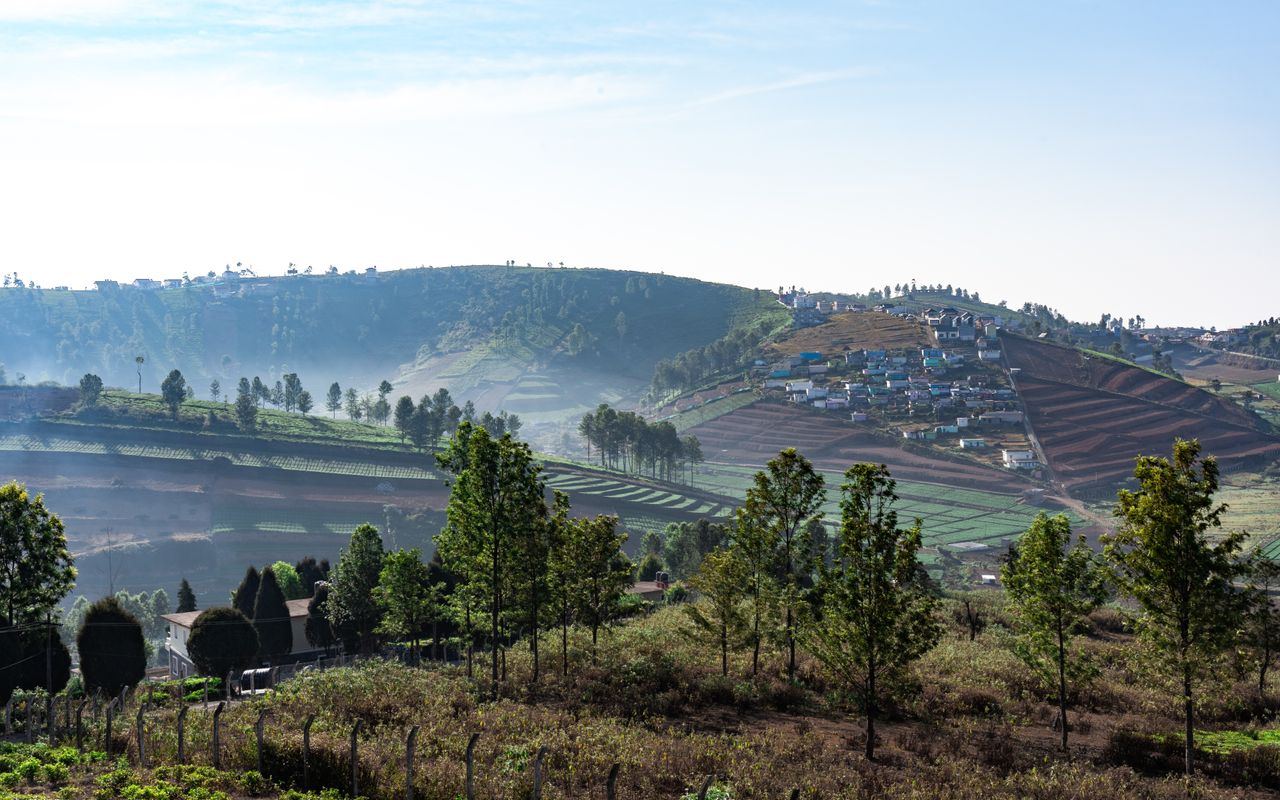

Where the air keeps milk sweeter.
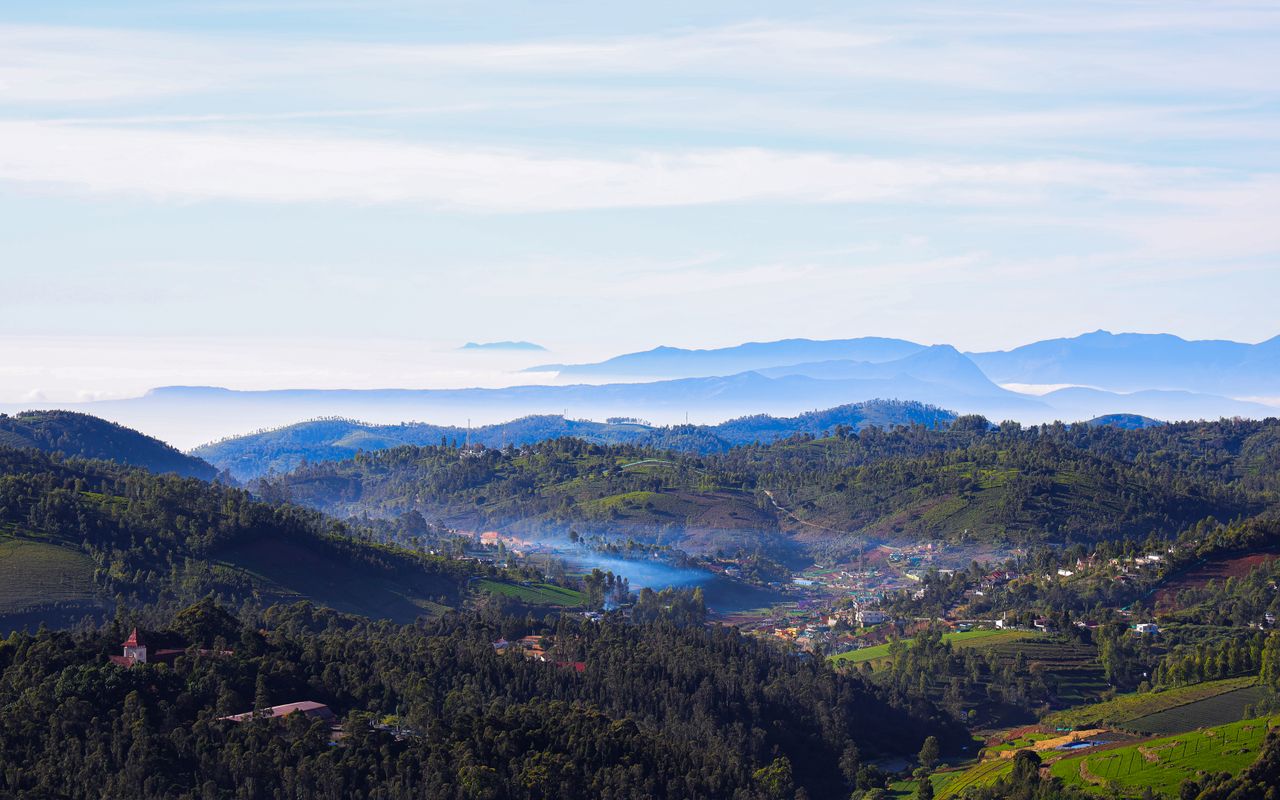
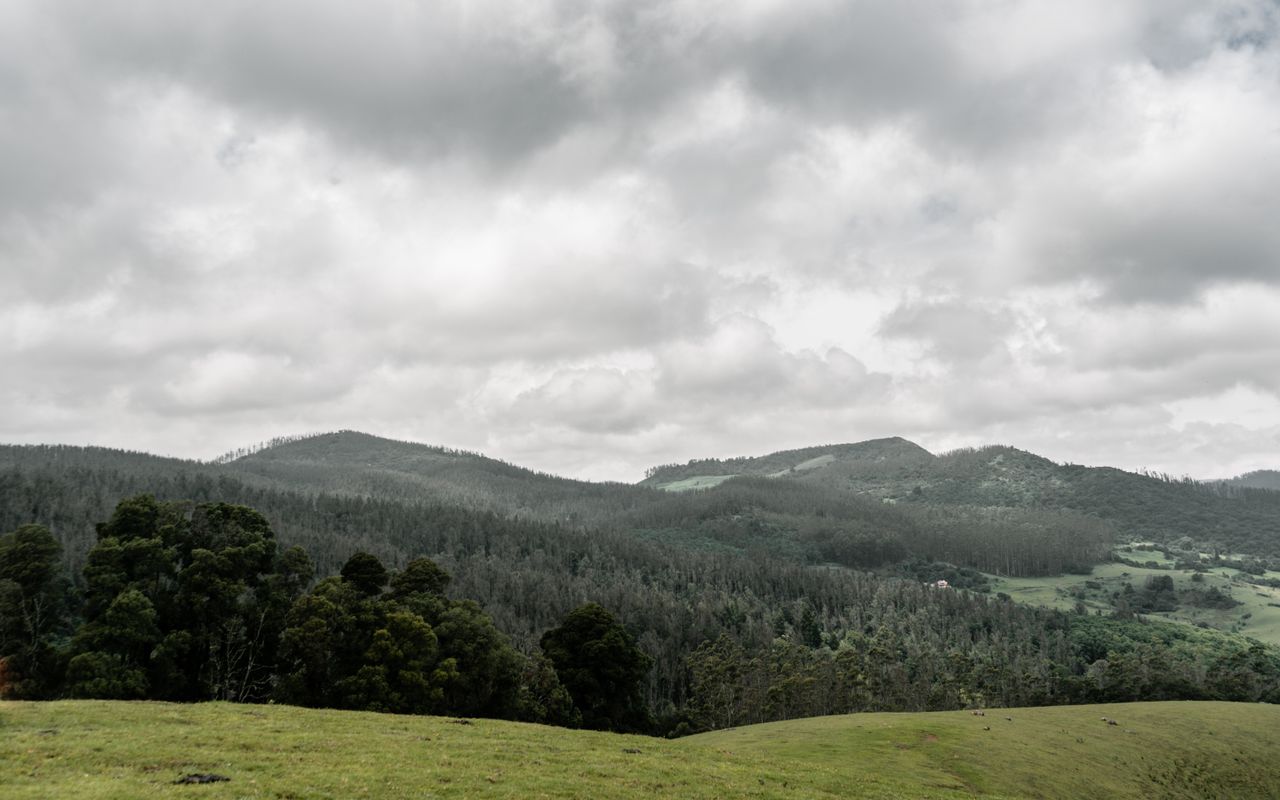
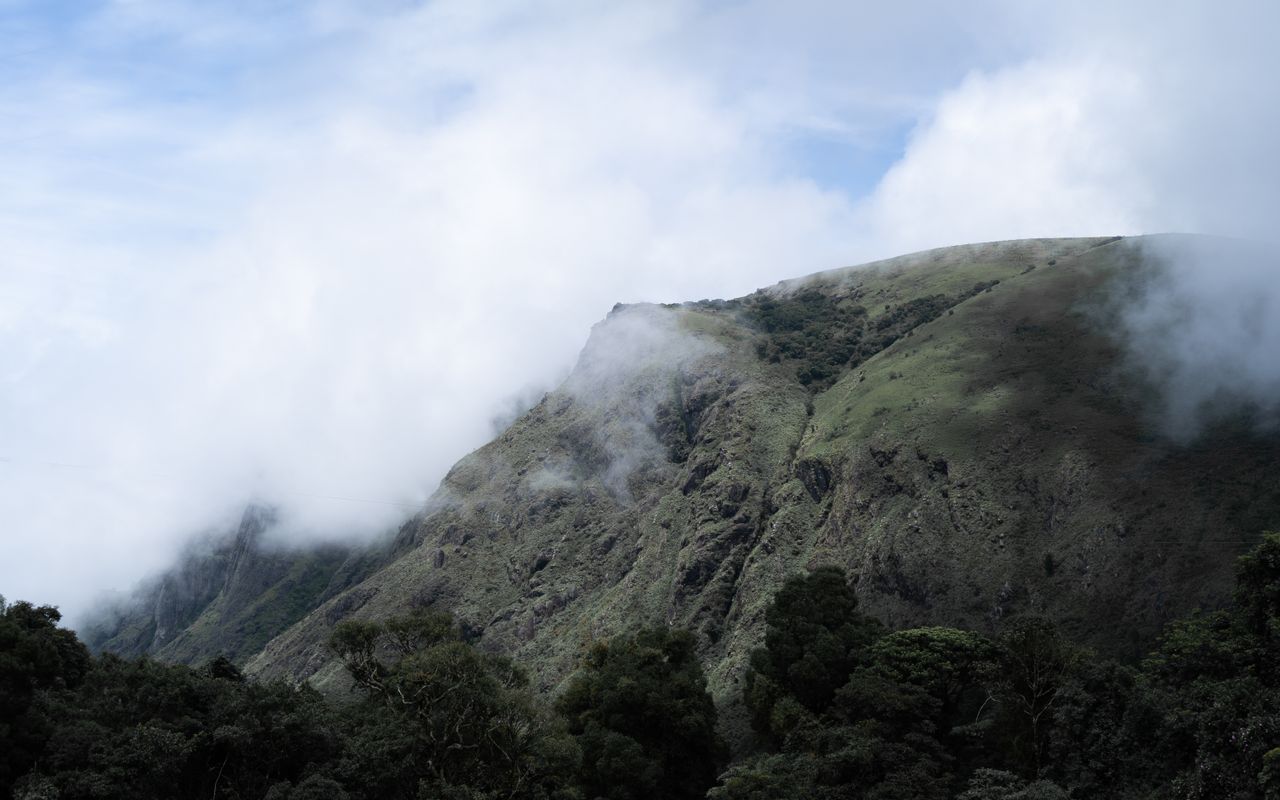
2,240 metres up, the Nilgiris hold a cool, mineral-rich pocket of the Western Ghats. Mist that never quite lifts, soil that has been building for a million years, and a climate that keeps every harvest slow and deliberate.
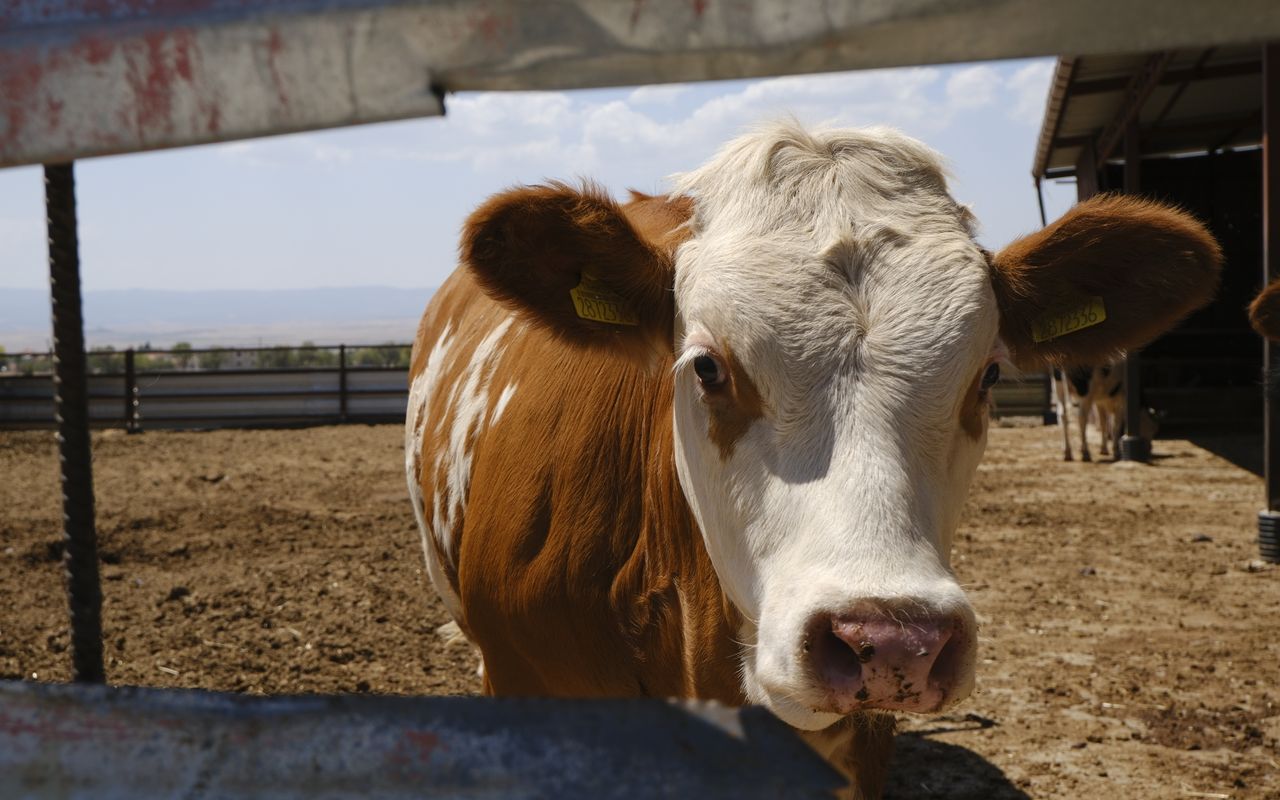

Milked at dawn, at your door by seven.
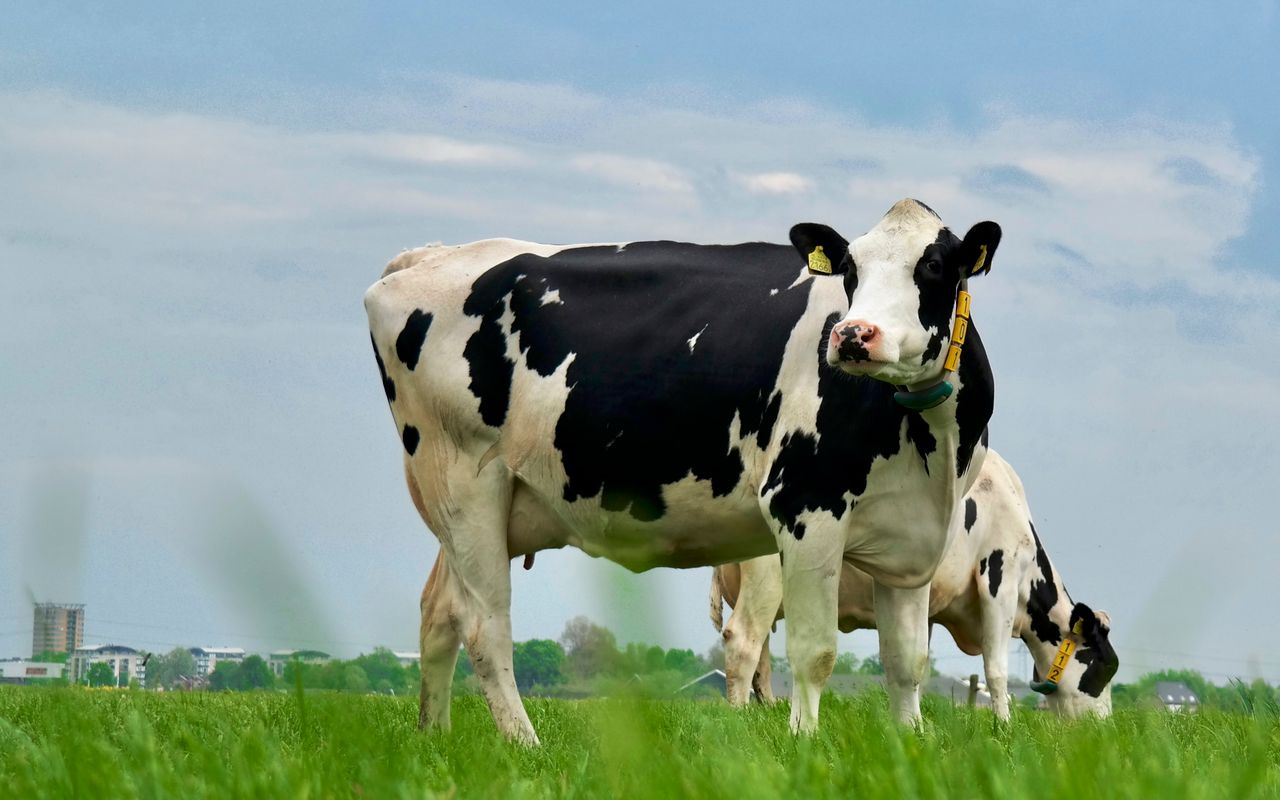
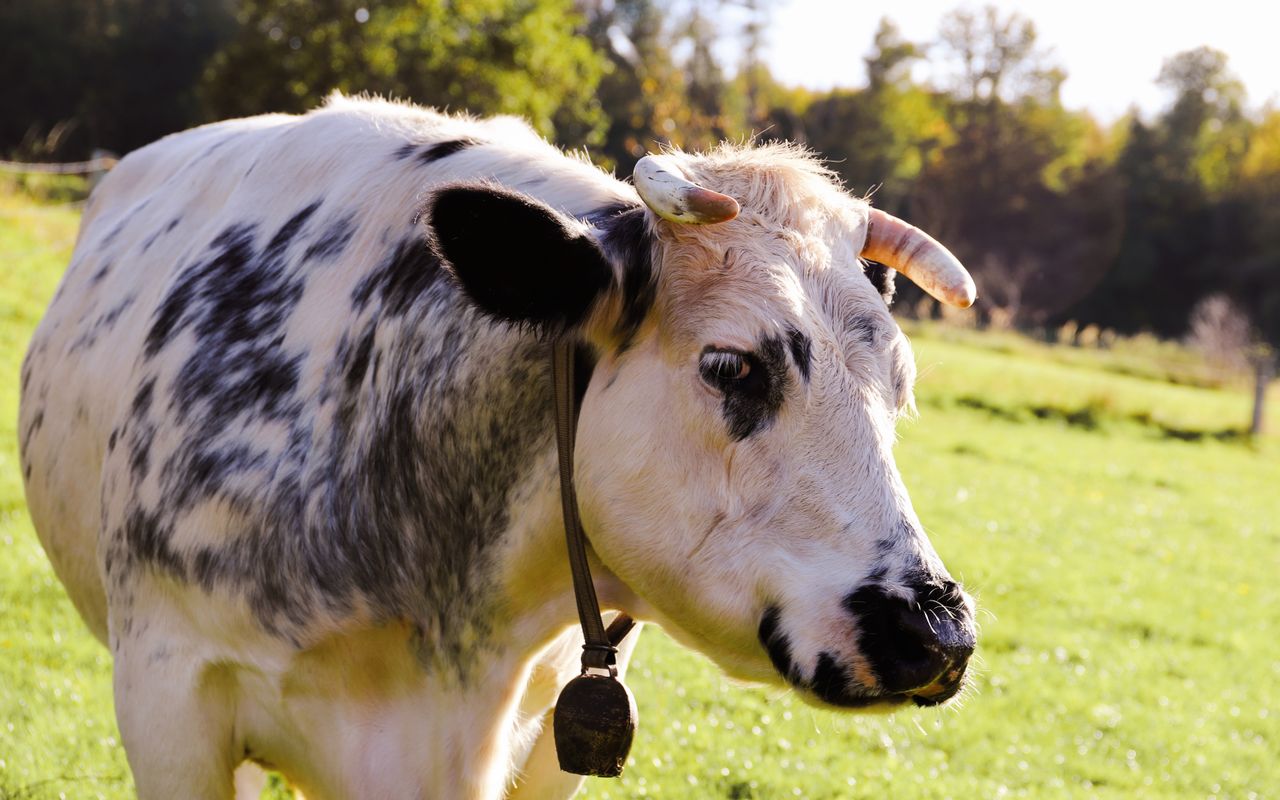
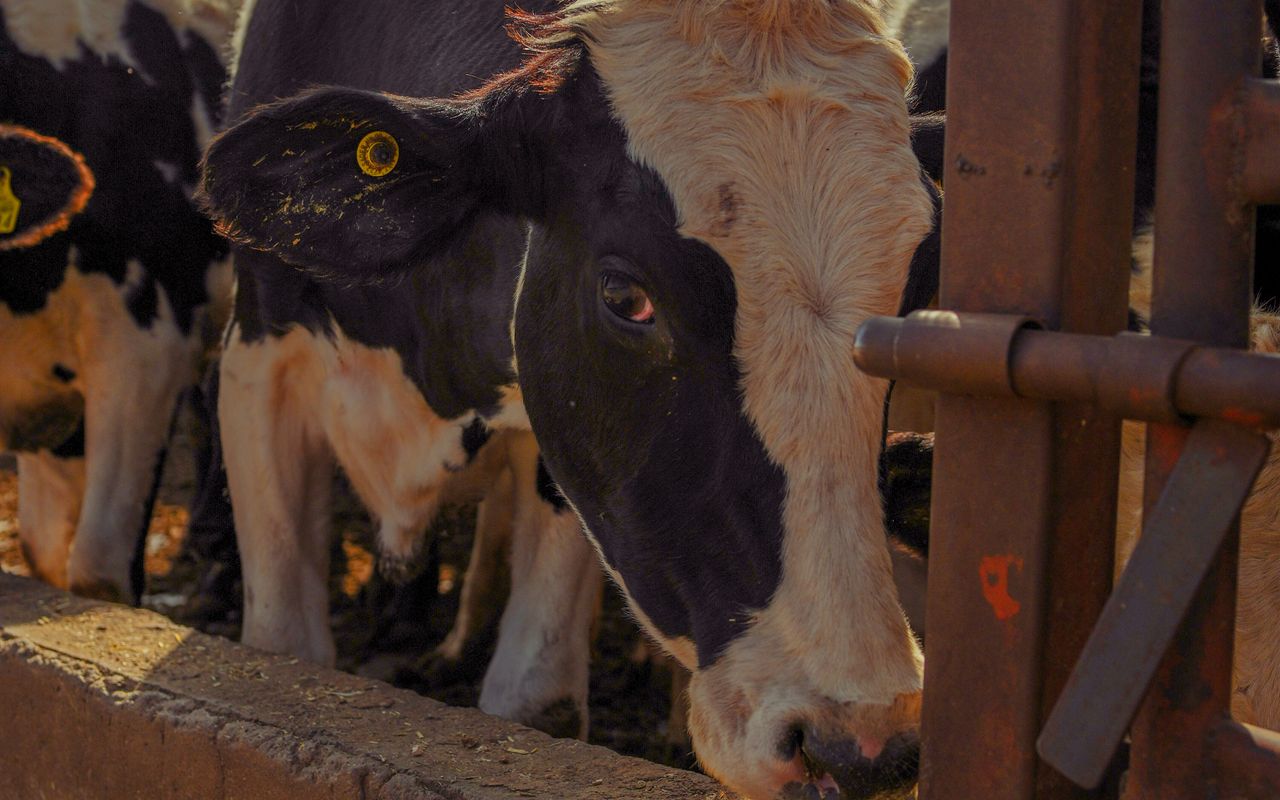
Indigenous A2 herds grazing open hill pasture — never stalled, never rushed. Milk, curd, paneer, butter and bilona ghee, each bottled the morning it leaves the farm, with nothing added to make it last longer than it should.
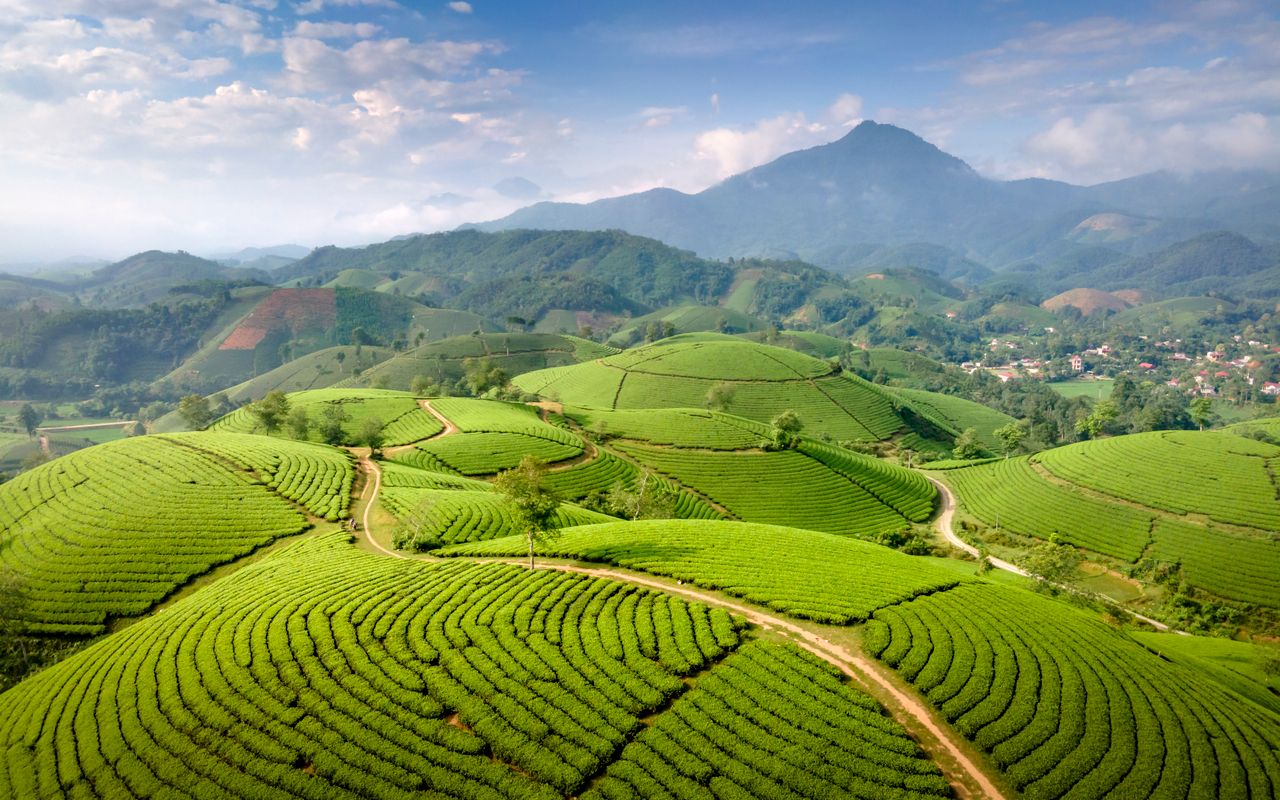
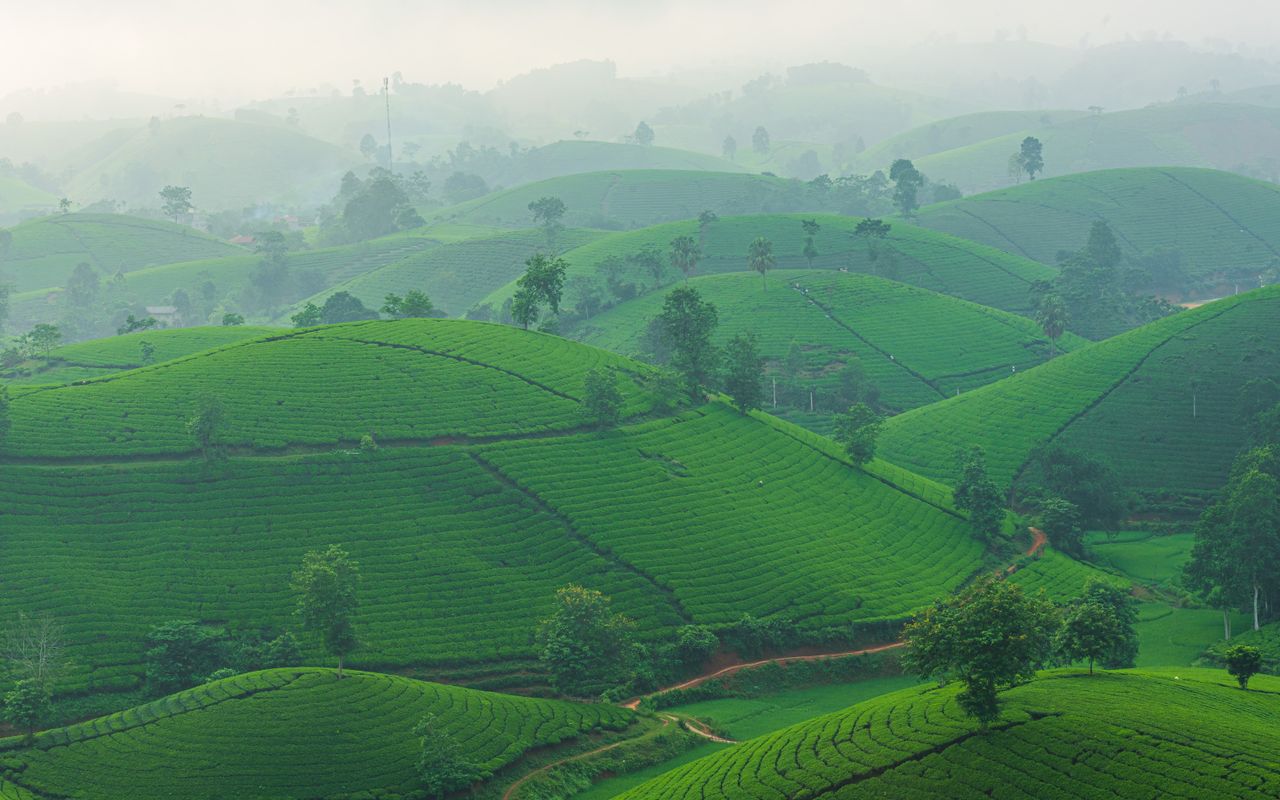
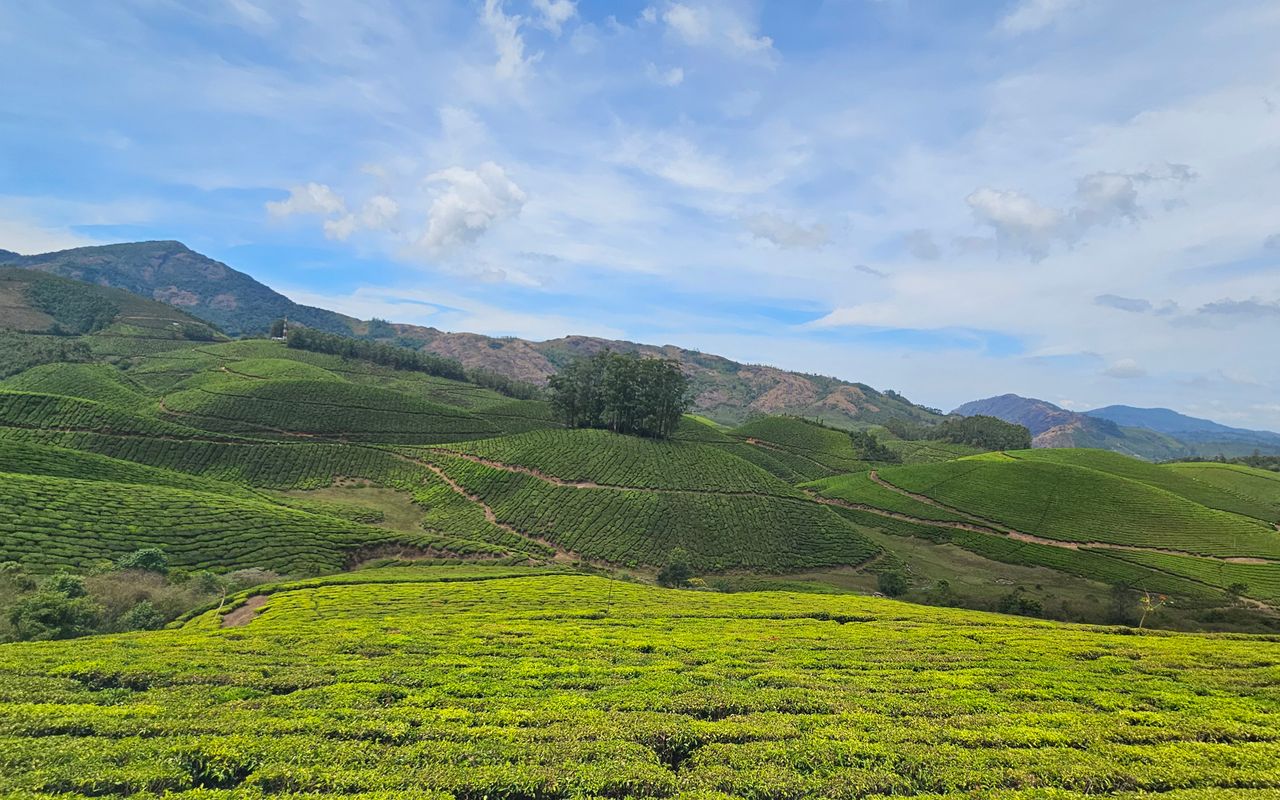
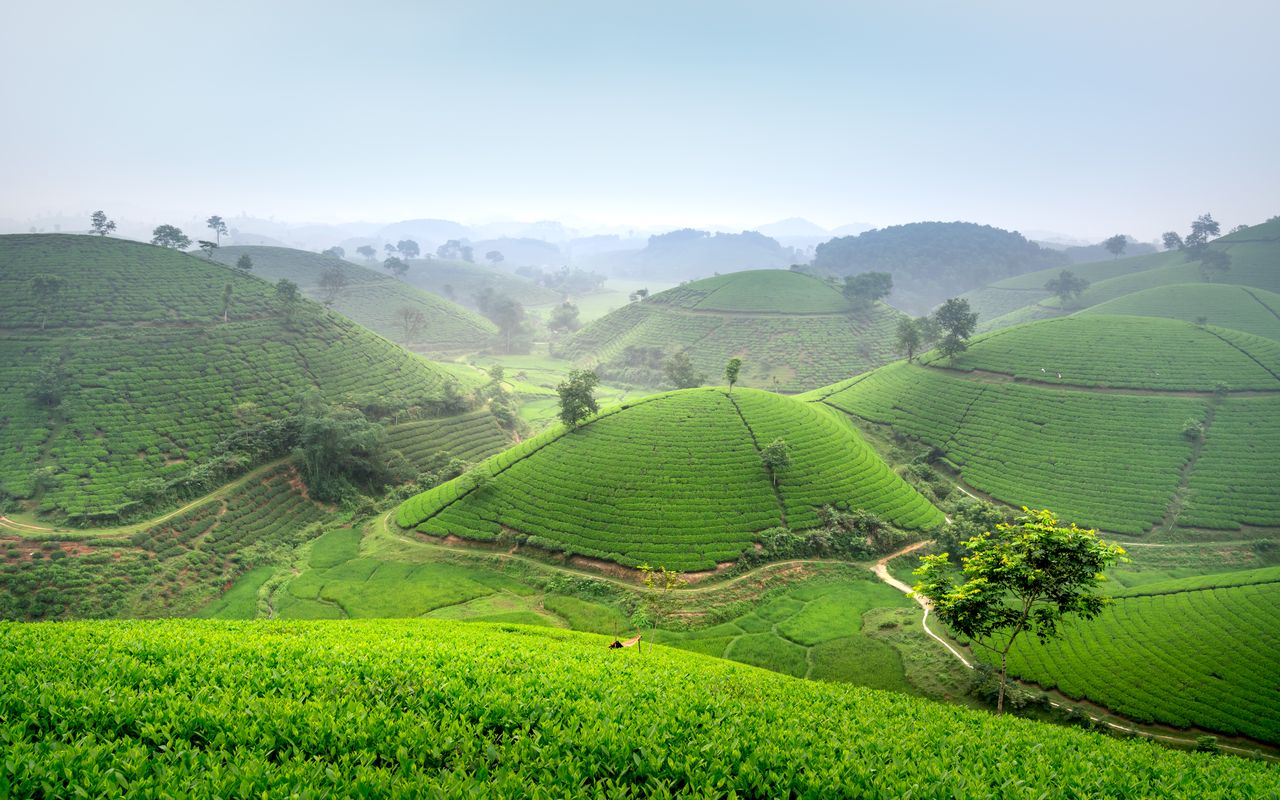

Tea and coffee grown on the slope.
Estates that climb the hillside in narrow terraces, picked two leaves and a bud at a time. High elevation slows the leaf down, and slow leaf is what gives Nilgiri tea its brightness and our coffee its depth.
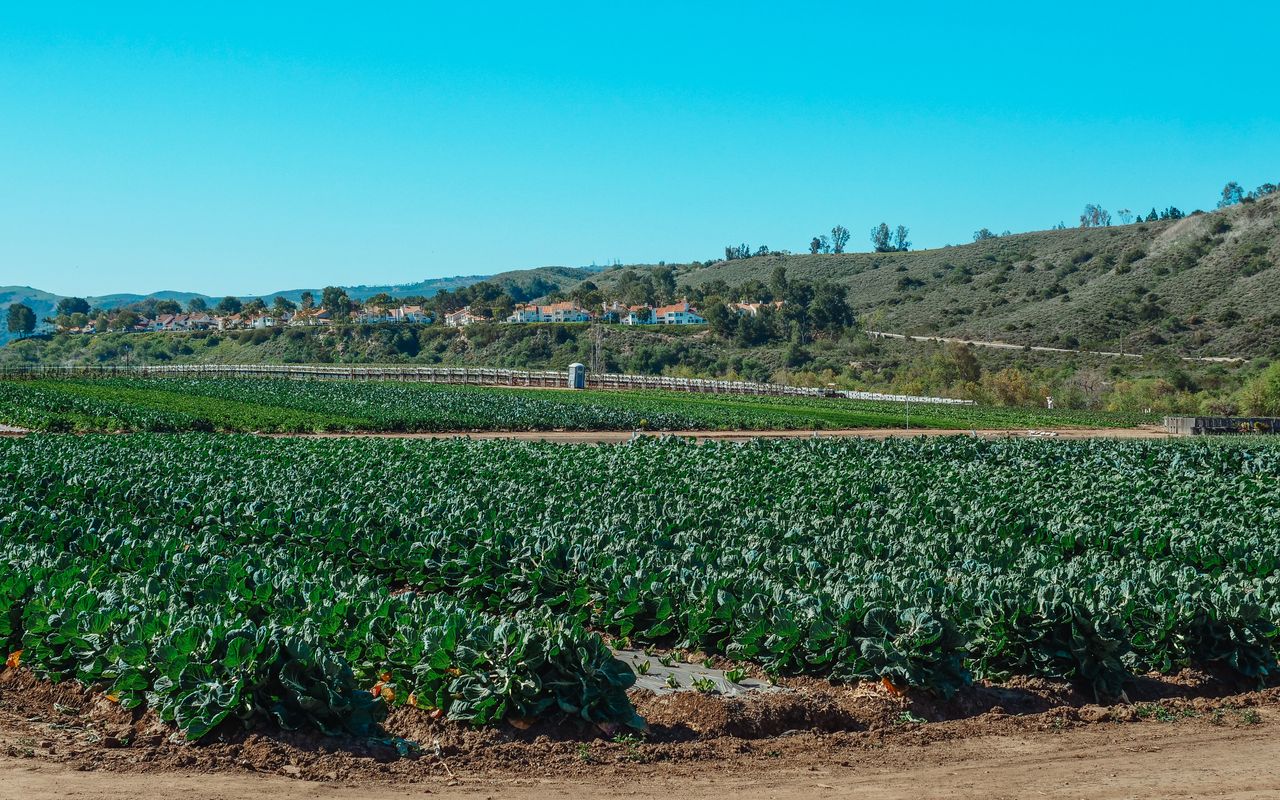
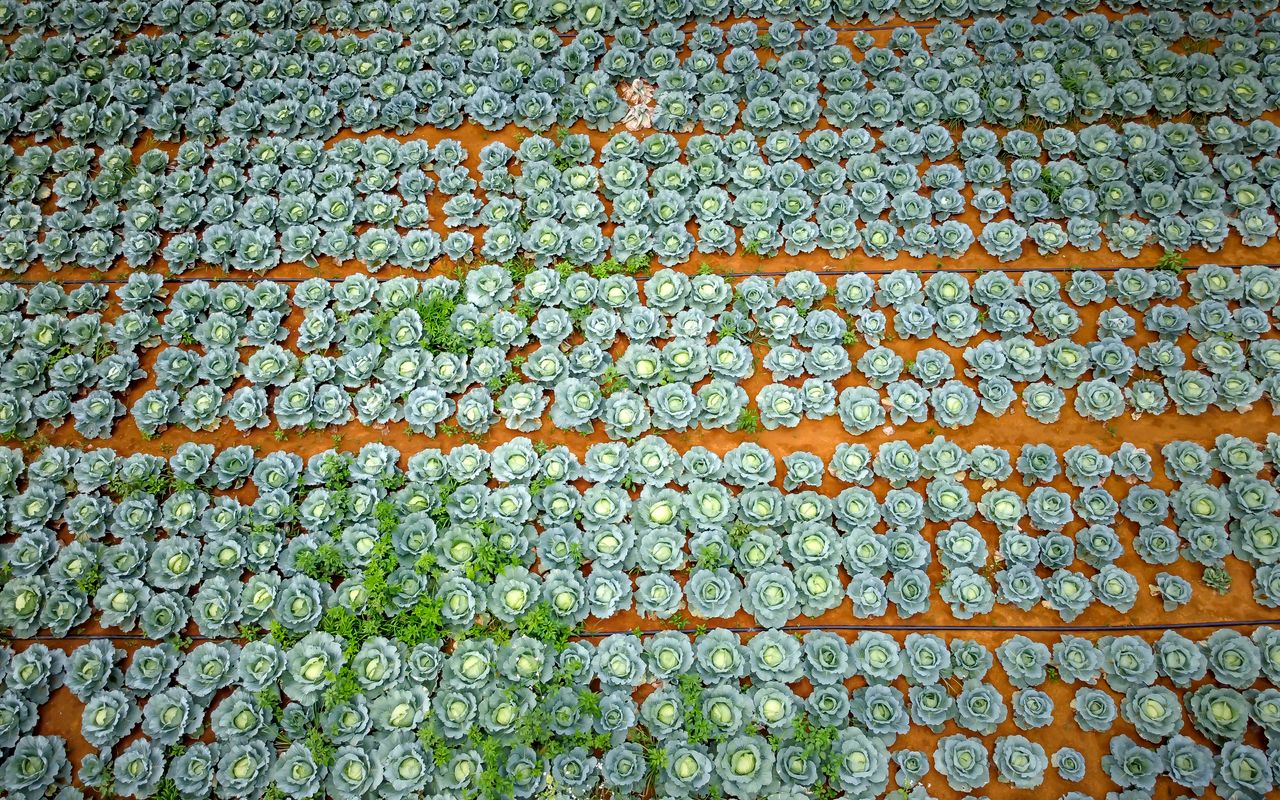
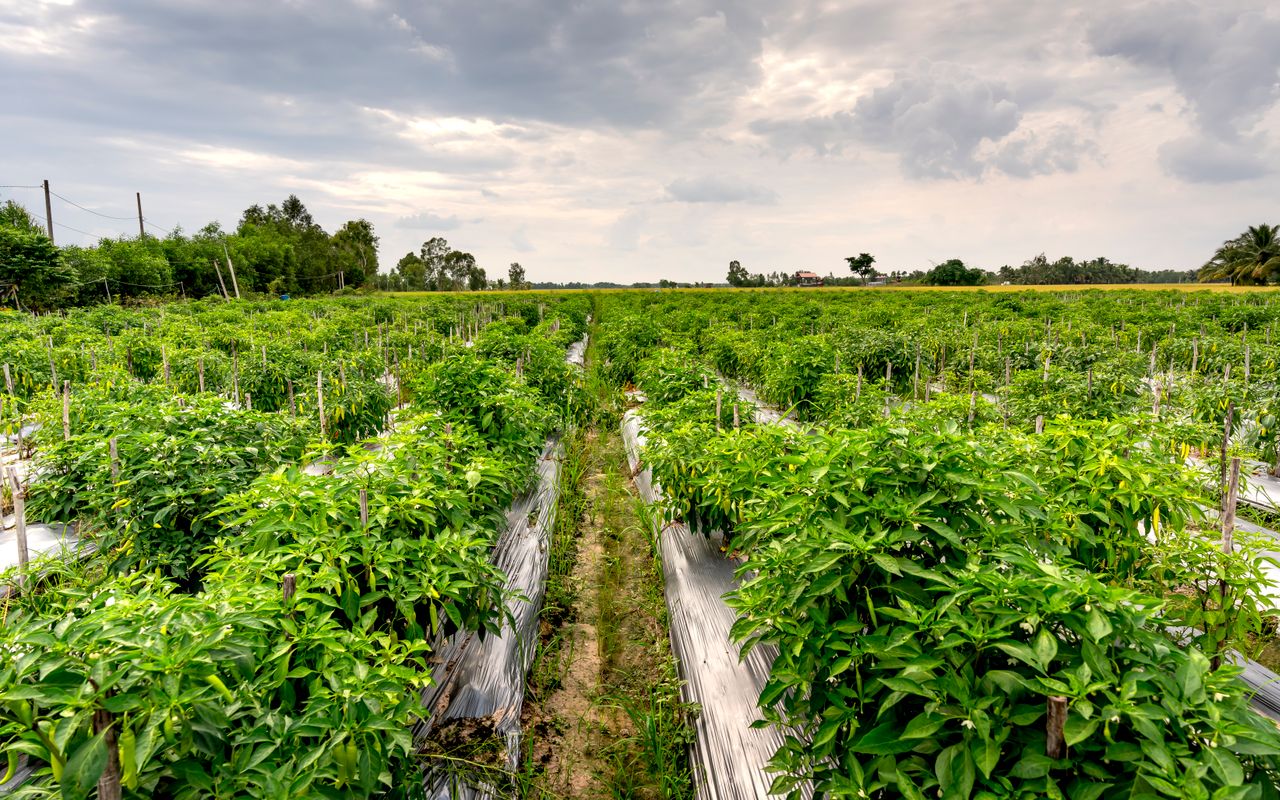
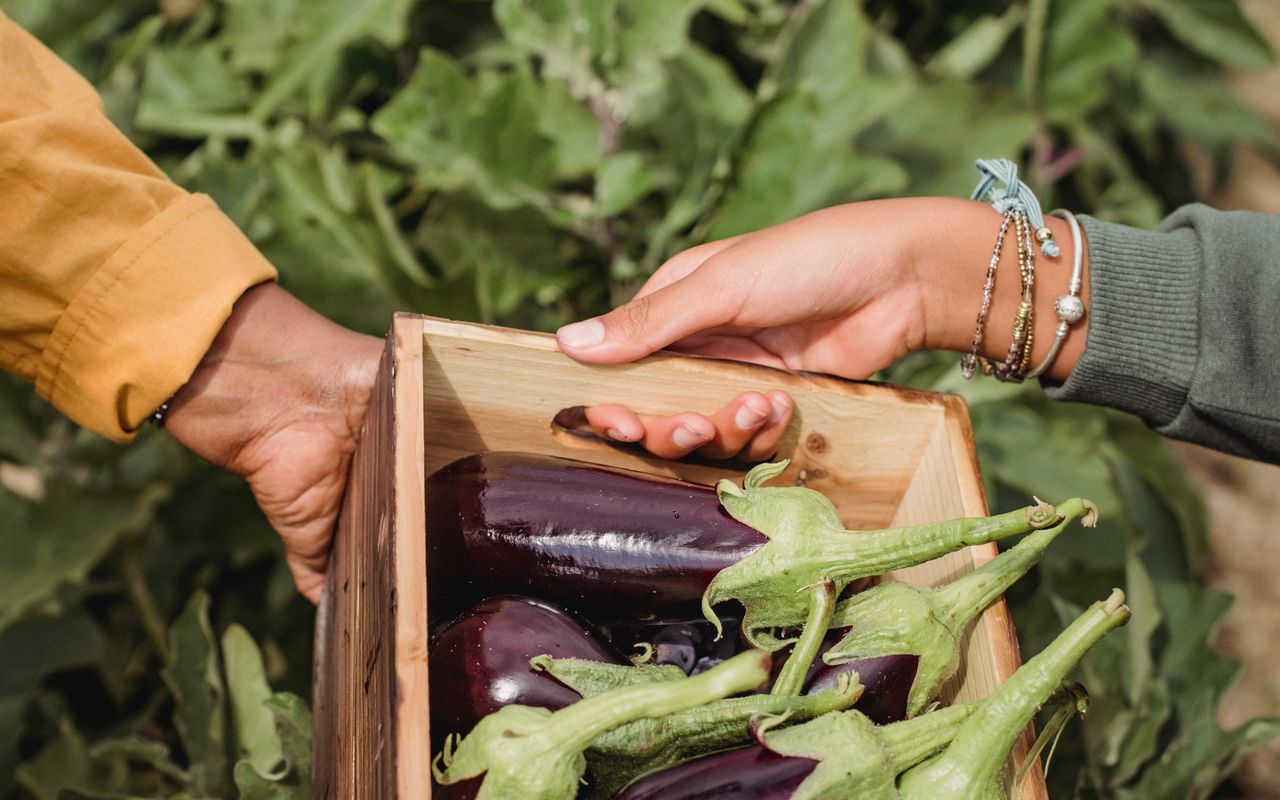

No chemicals. Not one.
Vegetables, greens and fruit raised on compost and cover crop instead of synthetic input. What the farms grow feeds the herd, what the herd returns feeds the soil, and the loop closes without anything coming in off a truck.
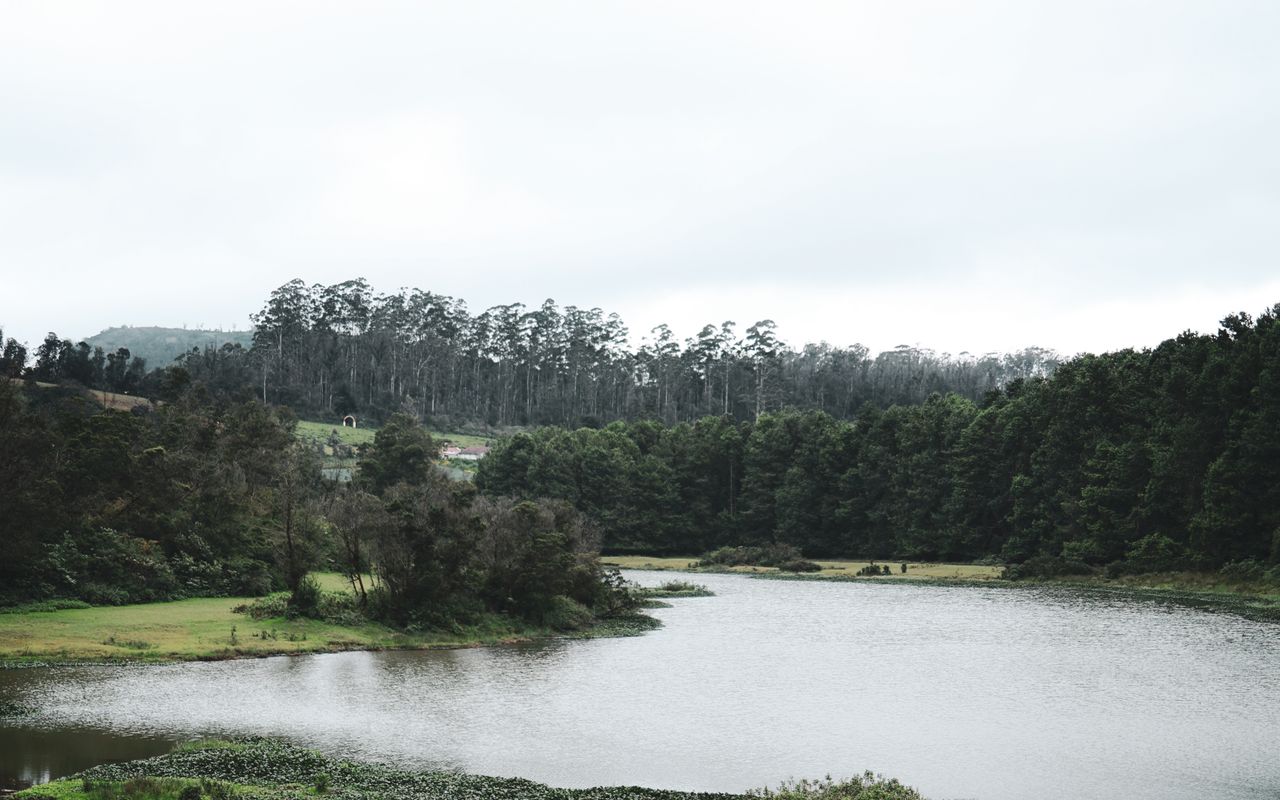
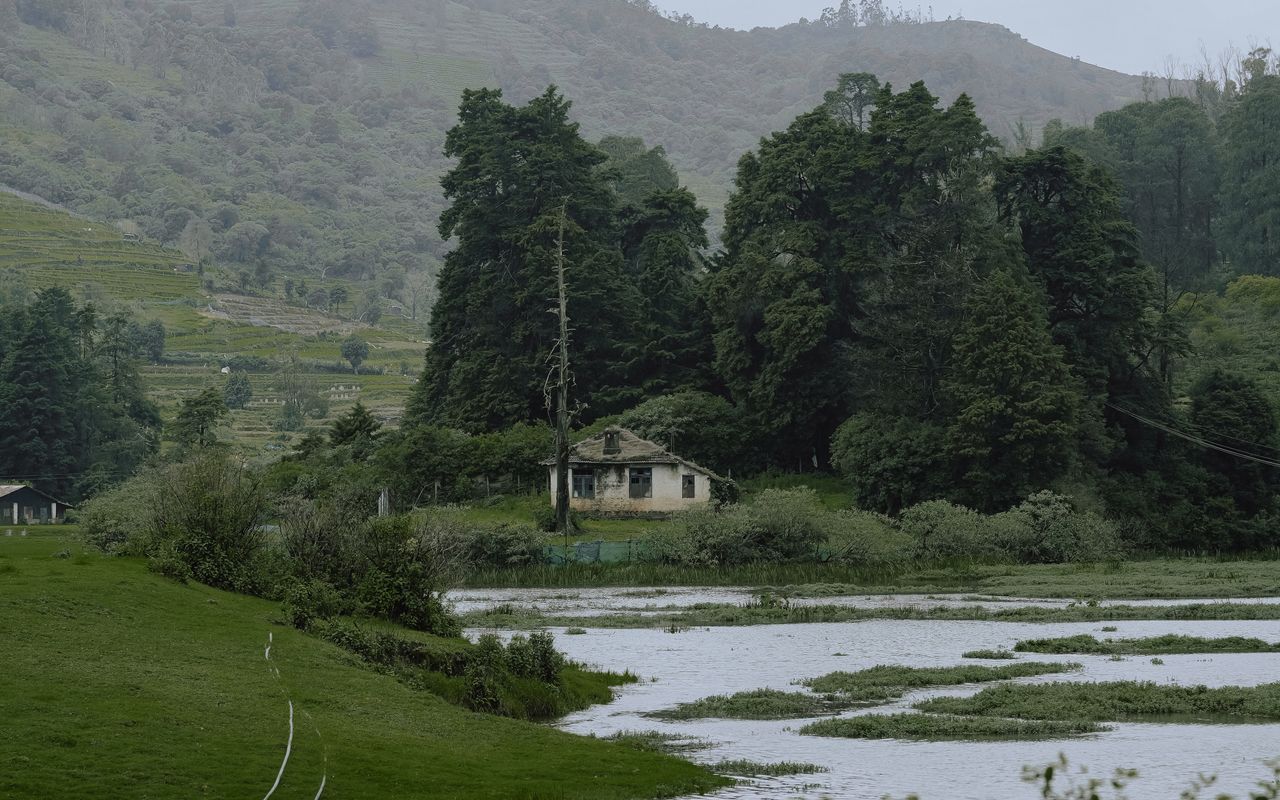
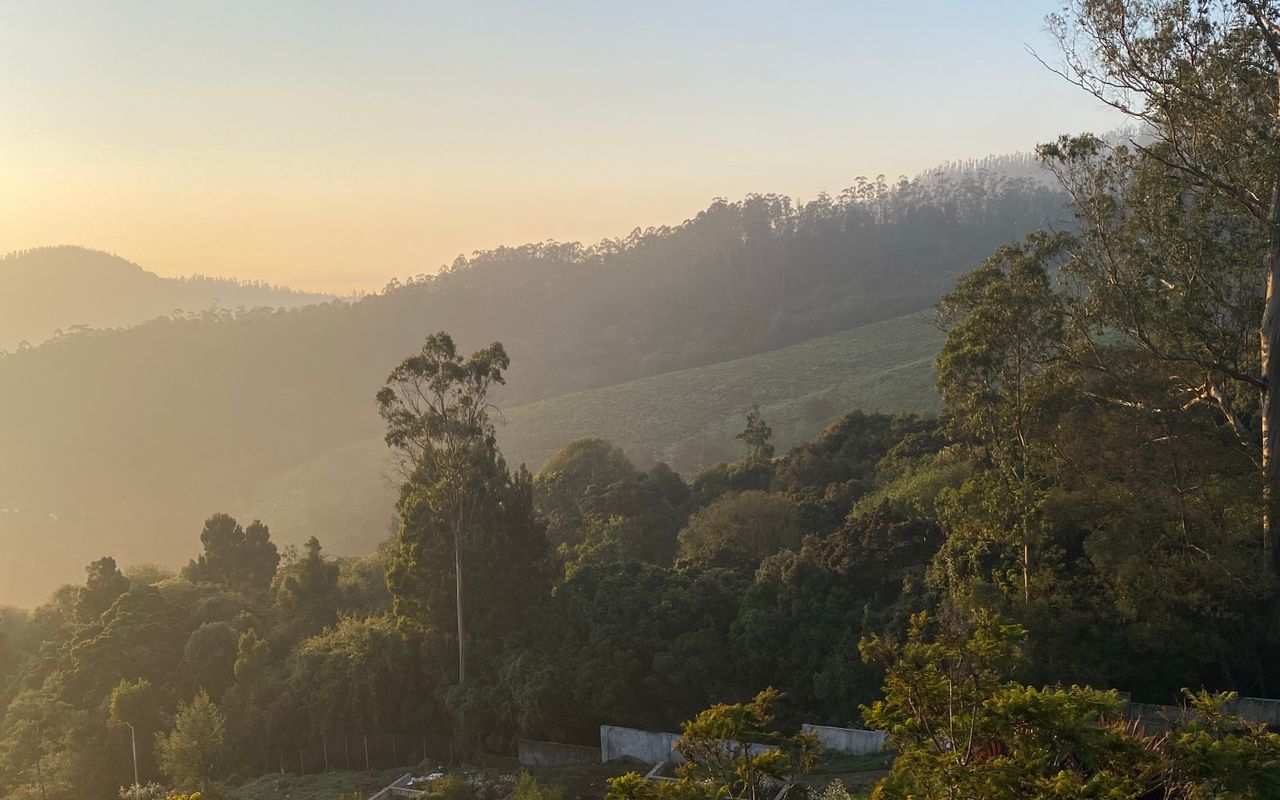

Stay a while in the hills.
Walk the estate at first light, sit in on a milking, follow the shola trails down to the water. A working farm you can stay on, run so that the forest around it is left better than we found it.
Three promises,
kept every morning.
The shortlist —
what families order most.
Everything dairy,
nothing else.
Your week,
planned once.
Set your weekly rhythm. Heavier on weekends, skip Sundays, add paneer on Wednesdays. Modify any day's delivery until midnight the night before.
- Free delivery before 7 AM, every day
- Edit or skip tomorrow's order till 11:59 PM
- Pause anytime for travel or holidays
- Monthly billing, no lock-in
one-time orders